





Artikel: Africa’s Slow Fashion and Upcycling Designers are fighting back against Western & Asian castoffs - Noma Ndlovu
Africa’s Slow Fashion and Upcycling Designers are fighting back against Western & Asian castoffs - Noma Ndlovu
Whichever city you find yourself in Africa, you know it when you see it. The piles of second-hand clothing in the market, looking strangely lost - pairs of Primark jeans, a Polo printed T-shirt, or US college sweaters. For decades, millions of Africans have shopped at secondhand clothing markets – locally known as Okrika.
Initially hailed as an affordable way to shop for millions of low-income earners across the continent, lately, the true cost of those affordable clothes has been discussed on social media, with images of beaches and protected wetlands with clothing strewn all over from excessive dumping of these castoffs. The increase in fast fashion results in more and more textile waste, everything from clothes to robes to footwear, with nowhere to go. And this cost is borne by the environment - the overrunning of Ghana's wetlands or the destruction of Senegal's beaches shows that the cost of secondhand clothes is much more than advertised. While governments may sit idly by, African designers are helping Africa develop slow, ethical fashion that reclaims the narrative through heritage and design.

To start, it's important to understand how African countries became the West’s dumping ground for old clothes. Western countries like the U.S. and the UK have been “encouraging” African countries to take secondhand clothing for decades, through various methods, and sometimes threatening sanctions when the countries refuse. For example, in 2017, members of the East African Community (then comprising the governments of Burundi, the DRC, Kenya, Rwanda, Tanzania, and Uganda) attempted to pass legislation banning the import of secondhand clothing into member states.
The governments are rightly worried about their domestic textile industries. In response, the U.S. claimed that a ban on the import of second-hand clothing would constitute “a significant hardship” on the U.S. clothing industry and threatened to remove trade benefits for any country that passed the legislation. Only Rwanda passed its legislation imposing high taxes, and the U.S. retaliated by removing duty-free access for Rwandan textiles into the U.S. market.
For years, waste colonialism, the practice of Western countries “offloading their waste on to poorer countries” to deal with the textile dumps, has plagued African nations.[1] Much of the rhetoric around textile waste frames the issue as “African countries with poor waste management” instead of the origin countries with serious overconsumption problems. Donating clothing was once considered a charity, a kindness, a win-win-win situation – you could clear their closets, help the needy and help raise funds for charity. Unfortunately, this façade has fallen; charities are now a multibillion-dollar industry, and the rise of second-hand markets slowly killed textile and apparel businesses all over Africa. According to Business Waste, the world creates “92 million tons of textile waste” of textile waste every year.[2] And nearly 34% of the world’s secondhand clothing lands in sub-Saharan Africa.[3] Suddenly, the West’s fast fashion becomes Africa’s problem. But the type of disposal for textile waste matters, because even when people dispose of the textile waste at landfills, it would take most textiles 200 years to biodegrade.[4]

While our governments have yet to figure out sustainable responses to the waste colonialism, the world turns and wakes up to ethical production, with African artists leading the way in slow fashion, innovation and design of upcycled materials.
Through the brand BUZIGAHILL and its “Return to Sender” collective, Kolade pushes back against the narrative that Africa is a dumping ground for fast fashion. Through Return to Sender, the focus is on selling the designs back to the West. They also work exclusively with deadstock, or the low sell-through inventory. This prevents the textiles from even reaching Sub-Saharan Africa.
Kolade’s CV includes internships at Balenciaga and Maison Margiela, and several shows at Berlin Fashion Week, recently had a collaboration with the Canadian Centre for Architecture and the London-based brand Qasimi. However, even at the frontline of the fight, he doesn't want an outright import ban against secondhand clothing. In an article for The Guardian, Kolade wrote that “secondhand textiles are a valuable source of tax revenue for [Uganda],” and that a ban would be “economic suicide”.
Instead, Kolade thinks that countries contributing to textile waste should be accountable through the EU’s “extended producer responsibility fund”. The EU’s extended producer responsibility regulations would shift the accountability for managing end-of-life for textiles onto producers, leaving EU textile producers to finance the collection and recycling efforts where their goods are sold. In other words, return the problem to the sender.
In Dakar, co-founders Kerim Patrick Boucher, the brand’s designer, and Noura Bourahima Boucher launched KB_Upcycling in 2022. After joining the Zero Waste Senegal Association, the pair realised they wanted to meld their love for fashion with recycling, “we wanted to promote a fairer, more human, sustainable and accessible form of fashion… with the hope of changing the way people view African and global fashion to influence people to create and consume differently”, said the designers.

Leading with the motto, “recycling teaches fashion, and fashion gives meaning to recycling,” the brand sources burlap (originating from potato sacks) from local markets, while the leather and fabric are collected from local tailors and artisans. “Every recovered material carries its own history, which deeply inspires our creations.
The material itself becomes the source of inspiration. KB's ethical approach is not only about sourcing materials, but the brand's entire system of function allows it to reduce energy consumption. “We don’t operate physical workshops or retail stores.” Instead, the brand collaborates with artisans who already have their own workshops for production, and sells via Instagram or through partnerships with ethical concept stores.
KB Upcycling is the real deal and understands the climate crisis through an astute and holistic lens. “We must raise awareness in the fashion industry, while preserving its originality and elegance. Creating consuming differently is possible and essential.” And that dedication and work are paying off. In November 2025, the brand showed a collection at Eco Fashion Week in Nairobi.
In Kampala, BUZIGAHILL is doing its part to turn around the textile waste problem. Founder Bobby Kolade redesigns second-hand clothes imported to Uganda from Asia and the West, closing the circular economy loop. The BUZIGAHILL signature style gives a garment “reversed treatment”, in other words, it takes an article of clothing and works with it inside out, with seams showing.
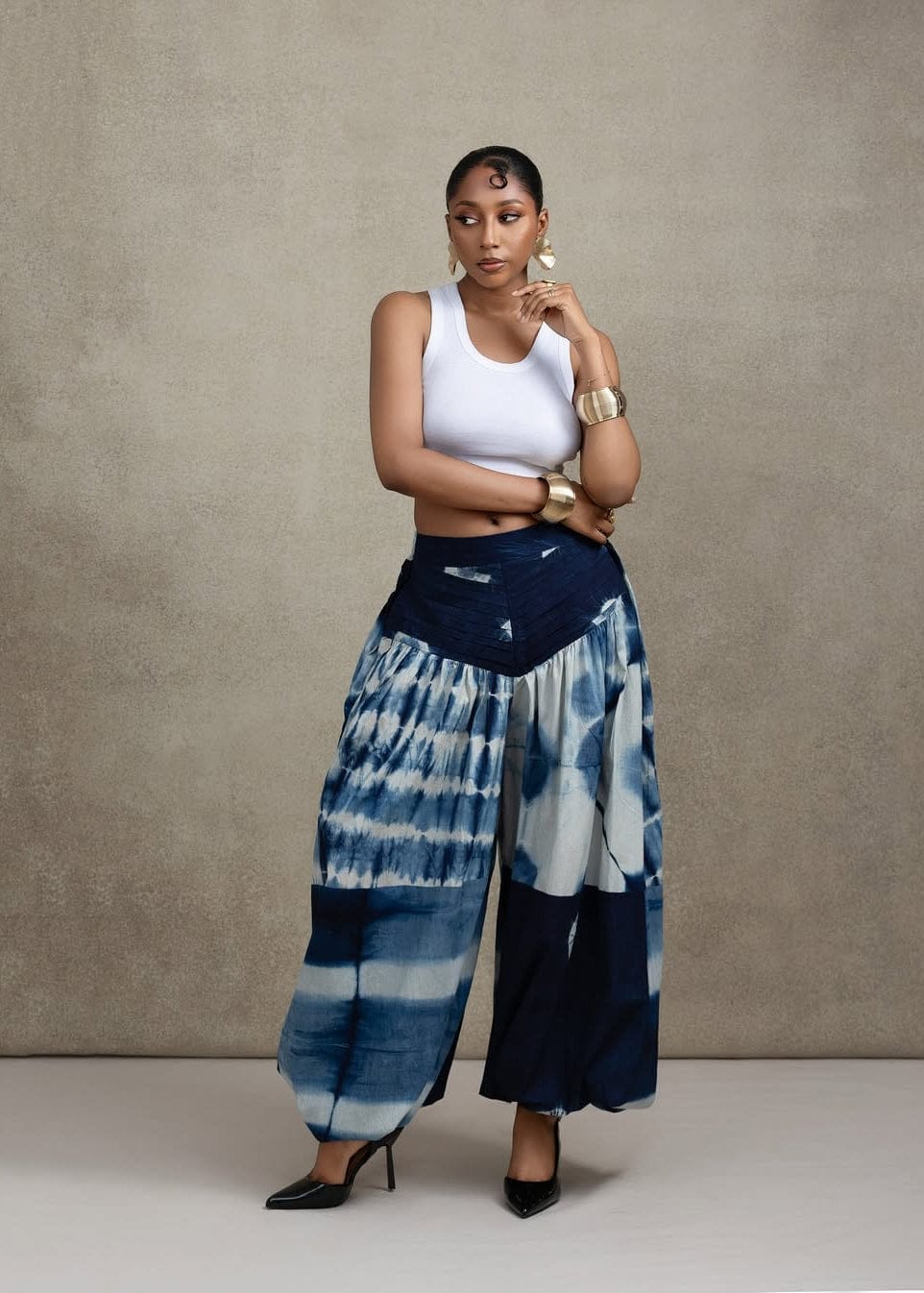
In South Africa, Casbeth Marobane, designer of the eponymous label, Casbeth, designs from recycled materials, utilising upcycling and recycling design techniques. Her signature pleating leads to designs that look whimsical, modern and futuristic at the same time. “I looked to the past, incorporating traditional techniques, as I believe suitability has always been an integral part of [my] culture,” she said to Redress when nominated for the Redress Design Award in 2025.
Marobane’s use of beadwork and cowrie shells also evokes a call to the past, a nod to her heritage. She works with a variety of materials, including secondhand clothing, curtains, and even aluminium blinds, and works with a zero-waste philosophy. Her designs were featured in the September 2025 issue of Vogue Hong Kong.
And it’s not just individual designers working to address the problem. Larger collectives and fashion weeks are cultivating a culture across the continent that says no to fast fashion. The Revival in Accra, Ghana, is a community organization centered on empowering the local community to tackle textile waste through creativity. “The Revival was created to respond to both the beauty and the burden of the system,” says founder, Yayra Agbofah. “We create a safe environment where participants can rebuild confidence and rediscover their own creative capacity.”
The initiative collects second-hand clothes from the Kantamanto market and employs local craftspeople along with fashion design students and members of the public. “Our work simply amplifies [the slow fashion practices], honors them and shows the world what Ghana and Africa have always done best: Create value through community-led innovation.” The Revival comes from Agbofah’s experience as a secondhand trader sourcing materials from the market and selling outside it. As someone deeply involved in the community, Agbofah knew buying and selling clothes could not be the end of it, so he started a community-oriented program for design. The Revival’s Incubator Program trains women and youth from the market, including Kayayei, tailors, offcut collectors and aspiring designers.
The program covers cycling techniques, repair, textile manipulation, product development and basic business skills. There’s even an alumni network for graduates of the program. After graduating, students are also allowed to join the in-house production team.
Agbofah has a deep understanding of the value of slow fashion beyond environmental rectifications. He sees the work of upcycling as essential to the identity of Ghana and of Africa. “Slow fashion, ethical sourcing and upcycling are not external ideas we imported; they are practices that already exist in our culture.” Further, he understands that small batch and upcycled production provide a different avenue for creativity. “Small-batch and upcycled production give artisans something mass production rarely offers: creative authorship and agency.
Every garment becomes a unique expression that requires problem-solving, craftsmanship and individuality. Instead of repetitive labour, artisans gain high-value skills, build portfolios and shape their own artistic identity.” Working with women and youth in the Kantomanto Market, the sustainable fashion initiative works promote a new perspective on textile waste. “We are continuously raising awareness by way of education, design thinking, and behaviour change through art,” the Revival writes on its site.
However, echoing Noura and Kerim, Agbofah says the quality of secondhand clothing is declining. “For decades, Kantamanto has thrived on repair, redesign and resourcefulness, but the influx of low-quality, unsellable clothing has made the business increasingly difficult for traders. The decline in viable products is not an isolated issue; it affects everyone in the chain”. Still, he hopes that the future of the markets remains stable.

“African markets like Kantamanto will become central to the global sustainability conversations, because they already model the circularity the world is trying to learn”.
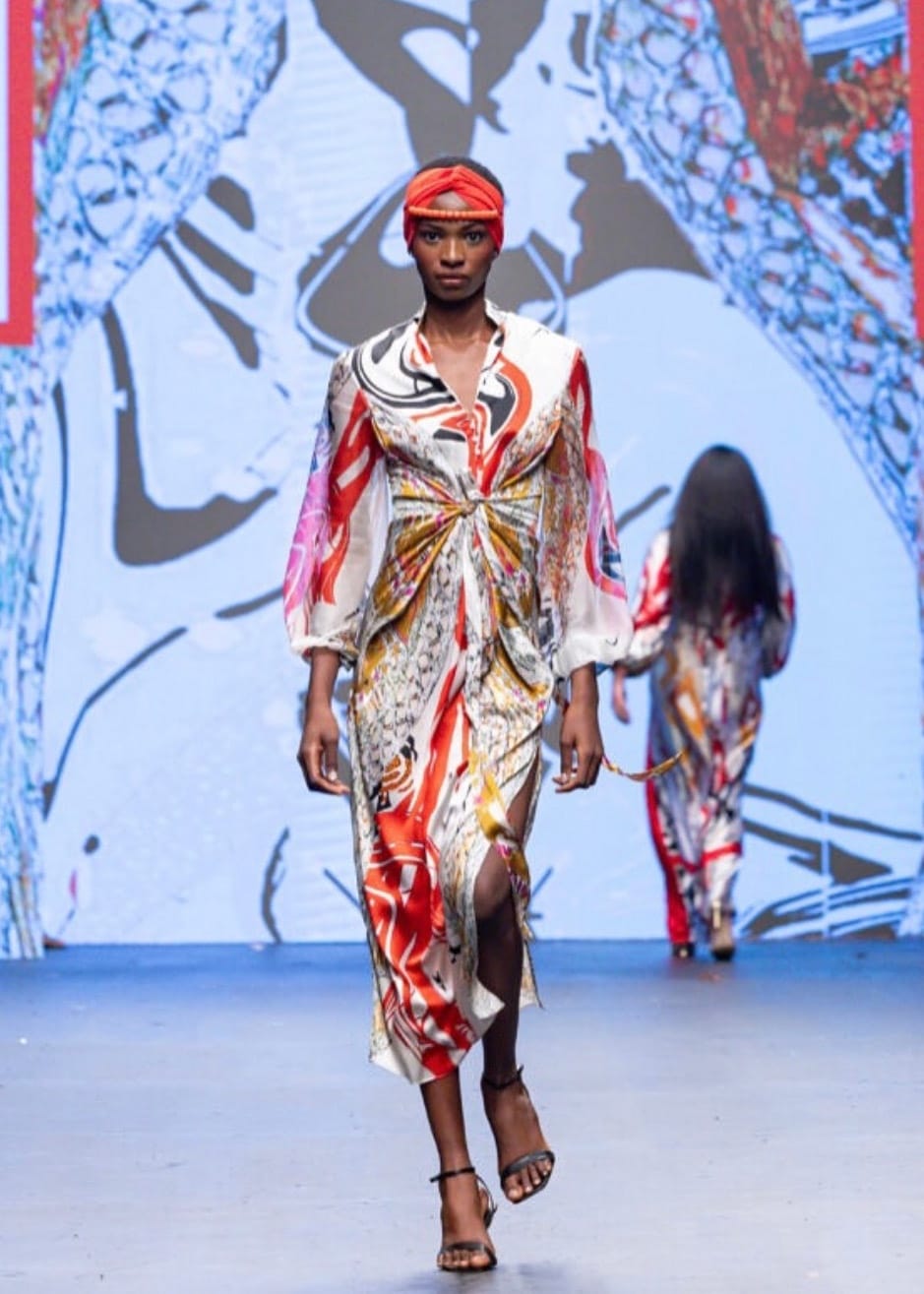
In addition, Nairobi’s Eco Fashion Week leads the way in sustainable industry development on the Continent. With three seasons so far, Nairobi’s Eco Fashion Week looks like it’s taking off. Featuring an array of Pan-African designers, the Eco Fashion Week doesn’t allow any new clothes on the runway. Founded by Belinda Atieno and Ruth Anyango, this fashion week allows for innovation and design that is truly creative.
Marobane’s use of beadwork and cowrie shells also evokes a call to the past, a nod to her heritage. She works with a variety of materials, including secondhand clothing, curtains, and even aluminium blinds, and works with a zero-waste philosophy. Her designs were featured in the September 2025 issue of Vogue Hong Kong.
And it’s not just individual designers working to address the problem. Larger collectives and fashion weeks are cultivating a culture across the continent that says no to fast fashion. The Revival in Accra, Ghana, is a community organization centered on empowering the local community to tackle textile waste through creativity. “The Revival was created to respond to both the beauty and the burden of the system,” says founder, Yayra Agbofah. “We create a safe environment where participants can rebuild confidence and rediscover their own creative capacity.”
The initiative collects second-hand clothes from the Kantamanto market and employs local craftspeople along with fashion design students and members of the public. “Our work simply amplifies [the slow fashion practices], honors them and shows the world what Ghana and Africa have always done best: Create value through community-led innovation.” The Revival comes from Agbofah’s experience as a secondhand trader sourcing materials from the market and selling outside it. As someone deeply involved in the community, Agbofah knew buying and selling clothes could not be the end of it, so he started a community-oriented program for design. The Revival’s Incubator Program trains women and youth from the market, including Kayayei, tailors, offcut collectors and aspiring designers.
The program covers cycling techniques, repair, textile manipulation, product development and basic business skills. There’s even an alumni network for graduates of the program. After graduating, students are also allowed to join the in-house production team.
Agbofah has a deep understanding of the value of slow fashion beyond environmental rectifications. He sees the work of upcycling as essential to the identity of Ghana and of Africa. “Slow fashion, ethical sourcing and upcycling are not external ideas we imported; they are practices that already exist in our culture.” Further, he understands that small batch and upcycled production provide a different avenue for creativity. “Small-batch and upcycled production give artisans something mass production rarely offers: creative authorship and agency.
Every garment becomes a unique expression that requires problem-solving, craftsmanship and individuality. Instead of repetitive labour, artisans gain high-value skills, build portfolios and shape their own artistic identity.” Working with women and youth in the Kantomanto Market, the sustainable fashion initiative works promote a new perspective on textile waste. “We are continuously raising awareness by way of education, design thinking, and behaviour change through art,” the Revival writes on its site.

However, echoing Noura and Kerim, Agbofah says the quality of secondhand clothing is declining. “For decades, Kantamanto has thrived on repair, redesign and resourcefulness, but the influx of low-quality, unsellable clothing has made the business increasingly difficult for traders. The decline in viable products is not an isolated issue; it affects everyone in the chain”. Still, he hopes that the future of the markets remains stable.
“African markets like Kantamanto will become central to the global sustainability conversations, because they already model the circularity the world is trying to learn”.
In addition, Nairobi’s Eco Fashion Week leads the way in sustainable industry development on the Continent. With three seasons so far, Nairobi’s Eco Fashion Week looks like it’s taking off. Featuring an array of Pan-African designers, the Eco Fashion Week doesn’t allow any new clothes on the runway. Founded by Belinda Atieno and Ruth Anyango, this fashion week allows for innovation and design that is truly creative.
They also include designer development like mentoring, exposure to potential buyers, etc., education and dialogue through panels and workshops, all to make the connection between fashion and sustainability. Eco Fashion Week even includes policy dialogues to engage institutions, policy makers and designers on how to deal with textile waste and promote sustainability. As noted by The Revival’s Agbofah: “When sustainability grows from community and culture, it becomes powerful, practical and lasting”.
There is a consensus that the quality of second-hand clothing is declining. And as the quality erodes with fast fashion declines, the harm to the environment only increases.
Designers and creative directors across Africa are reclaiming the narrative, with no time to spare. As KB Upcycling says, there’s no other option. “Ethical and sustainable fashion is no longer a matter of the future, but rather a matter of today. It’s essential to produce, create and consume differently to be in tune with the planet”.
For those wondering where to start with change, Agbofah has some advice:
Start with the community, not the trend. Make sure you spend time listening; the solutions (to combat over consumption and develop recycling methodology) are already there. Build trust and shared ownership before scaling. Honour local materials, culture and craftspeople. You must allow your work to grow slowly and authentically; document everything. Your (growth) stories are part of the infrastructure. And most importantly, lead with care for your people, your environment and your local creative traditions.


Hinterlasse einen Kommentar
Diese Website ist durch hCaptcha geschützt und es gelten die allgemeinen Geschäftsbedingungen und Datenschutzbestimmungen von hCaptcha.